
Another Country Diary #60
With a Carbon Reckoning appeal.


3/5/26
The lawn has greened with the overnight rain. The air smells earthy and rich. It is still warm and after breakfast I potter rather aimlessly around the garden, pulling up weeds. A lazy Sunday, somehow the day drifts towards lunch. The potatoes I peel are sprouting, and so I take some of the smaller ones and plant them in a gap in the end vegetable bed. The first earlies are growing well and should begin to crop in early to mid June, though the plants from the potatoes we saved from last year’s crop are a little slower. The first of the second earlies are beginning to break through the soil, about two weeks after I planted them.
Benji catches a small adult rat. I shot another yesterday as it emerged from beneath the hen house. Even so, there is still at least one enormous rat visiting the hen run. They say that for every rat you see there are ten more nearby, though I can’t seem to find any scientific data backing up this claim, which, like that saying that you are never more than six feet away from a rat, seems to be based on guesswork. I did find an article which said that the real figure is about 165 feet away in urban areas and that humans outnumber rats six to one. I thought I was regularly seeing about four or five in the hen run, including those now deceased.
In the late afternoon Ceci and I walk to barking woods and back. The air seems full of insects as we pass through the old orchard and out, past the rickety tractor shed, into the rapeseed field. In he fields edges common vetch, a member of the pea family, is beginning to flower. The flowers are delicate and purplish-pink in colour. The stitchwort is finishing, drying now to seeds. It seems to have a long flowering period—perhaps early March to early May. The gorse that flourishes under the open areas of the wood also seems to be coming the end of a flowering period, the golden spears of flowers greening off. This little wood is extraordinarily diverse. It the part closest to the road, where the trees are mature and the canopy close, the ground flora is mostly dogs mercury, with yellow archangel flowering the spring. Where the ash trees were clear felled a few years ago, the soil is very different. This wood was once a place where clay was cut for bricks, and so the ground is low and watery from the wide and shallow pit that was left behind. Semi-mature oak trees have been left standing after the clear felling, and the whole area replanted with a variety of trees, including hazel, birch, willow, and oak, all beginning to emerge from their green plastic tubes. What I find fascinating though, is the variety of ground flora. I’m no botanist, but I can see that the wetter ground and the less nitrate rich soil means that there is a great variety of wildflowers and grasses. We walk a little way into it, following a badger path, to look at a dog violet’s butterfly-like purple flower. Where the ground rises, the flora is dominated by nettles in an abrupt transition, making the difference between the old industrial site, and the woods planted, presumably, on old farmland. The variation of woodland habitat is good for wildlife. A greater diversity of flora means more insects, which in turn means a greater variety of birds. Whoever manages the wood, presumably the local estate, doesn’t keep it too tidy. Fallen trees are allowed to rot where they fell, great for fungi and insects, and in turn for anything feeding on the insects.


4/5
May Bank holiday. It is overcast and cool, summer has put on hold for now. The grey skies seem to dampen my mood as my thoughts turn to work, and a week disrupted by rescheduled seminars and meetings (I usually teach on Mondays). I spend much of the day scheduling emails to auto-send tomorrow and prepping for the seminar I teach at 9 am on Tuesdays. I find a few odd jobs to do about the garden, pulling weeds here and there and noting changes in growth.
Over the weekend Ceci planted the tomato plants we have been purchasing from various garden centres in the large pots. We grow them up against a brick wall by our patio. It is a sun trap and they do well there, producing an exceptional crop last year which sustained us well into the autumn. We have more growing from seed in the greenhouse, but like to get a head start with the plants grown under heated glass. Ceci also sowed courgettes, pumpkins, French beans, and sweetcorn. The latter did badly last year, but we will try again. With luck the squashes will be ready to go into the ground at about the same time that we are cropping the first earlies, taking their place in the vegetable beds.
We take a walk through the lanes, but I feel distracted. Thinking about work has broken the spell of the long weekend. The hawthorn in the hedges is in full flower. One bush catches our attention. It has pink flowers. A particular variety perhaps?


At dusk I wait as the hens put themselves to bed. They are excited to see me, and a couple emerge from the house, hopeful of a treat. They eventually make their way back in. Toffee, who at six years is now our oldest hen, the matriarch of the flock, is the last to go in. At the same time all the wild birds are also settling to their roosts. Crows and wood pigeons flapping darkly and noisily in the fading light. Blackbirds squabbling in the shrubs and hedges. The harsh double crow of a cock pheasant in the copse. Is it a crow or a honk? A cronk perhaps. I lock up the hens and wait for rats to emerge, but none do.
5/5
I spend most of the day in the office fretting over an online Booking system for all the many tutorials and supervisions I need to schedule in the coming weeks. The weather is cool and overcast, but the sun shows briefly as I give a brief tour to an applicant. I show off the Sainsbury Centre for the Visual Arts, and as we sit in the café and discuss the course, I can see the view out across the meadow towards the woodlands that border the Yare and the UEA Broad—the site of many walks with my family over the years. I become aware how many times over the years I’ve sat here and viewed this scene. I’ve sat here as a PhD student on a coffee date with my future wife. I’ve sat here as a young father, with a baby in a pushchair. I’ve sat here with excited toddlers in welly boots after Sunday walks. I’ve sat here with teenaged daughters after exploring exhibitions. I’ve sat here as a supervisor to meet with research students. Today, I’m here, feeling the weight of all those years, talking with passion about the things I teach. I didn’t think I would still be here at UEA or in Norfolk after twenty-four years. Places like the Sainsbury Centre have become the backdrop for my life.
6/5
A steady rain falls from dull skies. I am working from home. I need to read and prepare for a workshop tomorrow. I structure my day into bursts of intense reading, note taking, the writing of feedback, periods of email answering, or the triaging of my inbox into ‘urgent’, ‘same day’, ‘later this week’ categories, an online meeting, and breaks spent in the garden, the rain lessening as the day continues.
8/5
It should be my non-working day, but the bank holiday has thrown out my week, as everything that should have happened on Monday, teaching, meetings, preparatory reading, has needed to find a place later in the week, meaning that I need to work today in order to be prepared for Monday. Such is the deal of the part time academic.
I’m tired and it is a struggle. I distract myself with the garden and the hens. The cats keep craving my attention. There are too many emails to get through. My WhatsApp is alive with news of the election results. Reform make huge gains across the county, but not enough, thank goodness, to have a majority in the council. They will run a compromised minority council until the new authorities are created. It is good for the Greens in Norwich, and they gain control of the city council. I end up resigning myself to working over the weekend, at least a few hours to get through my reading.
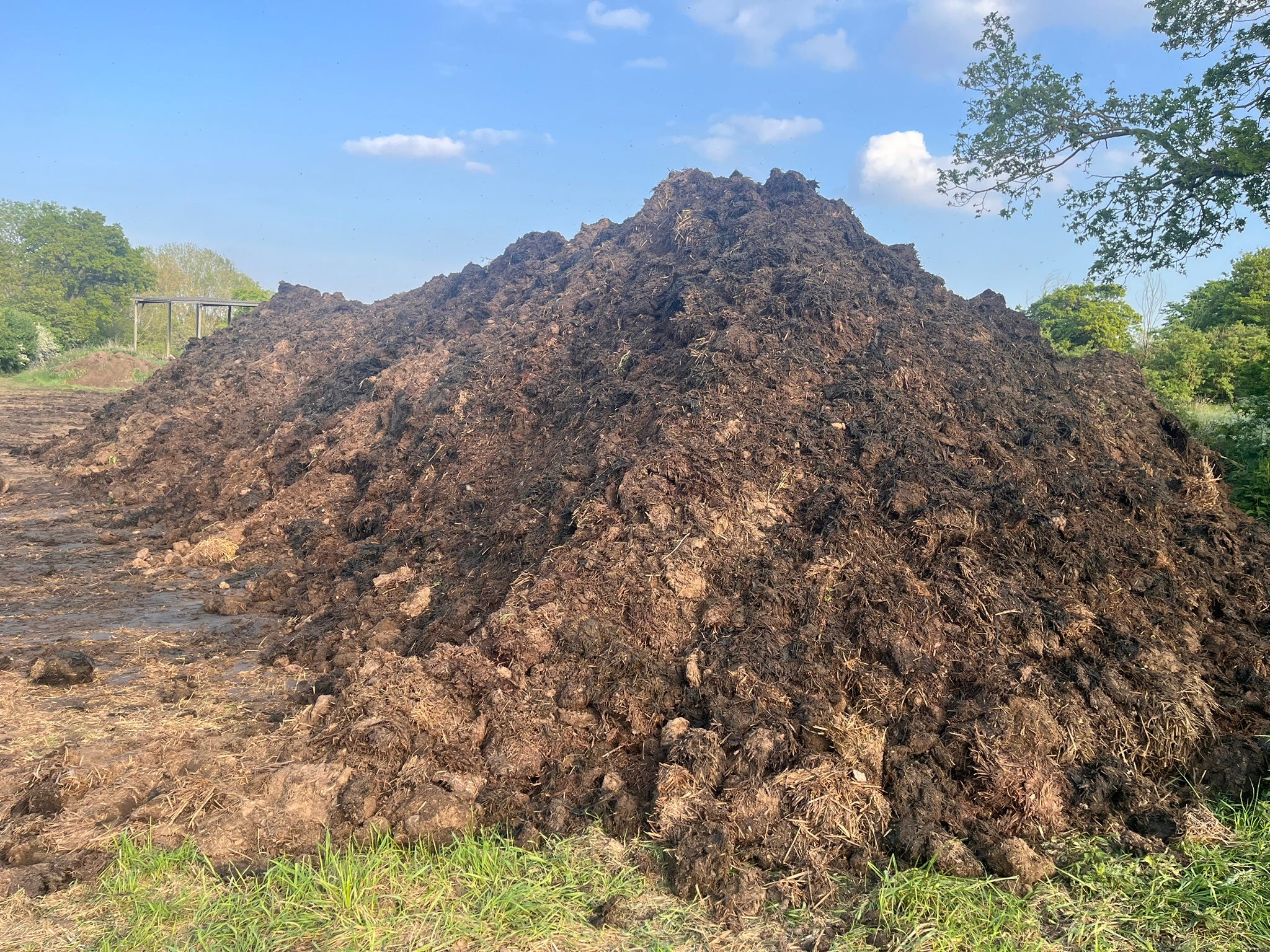
In the early evening, Ceci and I walk to “barking” woods and back. The pile of manure has grown with fresh deliveries. The air is ripe with the freshly disrupted poo and the air is electric with flies. It feels something like a political metaphor. The apple blossom in the hedges has fallen—only the hawthorn remains now. I feel agitated, frustrated by my day of incomplete work, worried by the state of the nation. As we approach the village on our way back, a tractor is arriving with another trailer load of pig shit.
Carbon Reckoning: Holding the Government to Its Own Climate Law - Crowdjustice Appeal

Carbon Reckoning is part of a growing movement demanding legal and parliamentary review of the UK climate plans against the latest science.
This proposed Carbon Reckoning legal action brings the latest authority on international law and climate science to bear on the inadequacy of the overall level set for the UK Seventh Carbon Budget due June 2026.
You can read more about their campaign and, if you are able to, make a donation, HERE.
About ‘This Party’s Over’
On ‘This Party’s Over’ I publish my creative non-fiction, personal essays, place writing, and a country diary. My ‘Another Country Diary’ pieces are my most regular posts (about three or four a month).
The country diary can express a sort of local distinctiveness, explore a personal set of interactions with a landscape, and in doing so, almost accidentally, tease out the way the natural world is entwined with culture and politics. It can be a quietly radical and uncanny form, or sometimes just plain parochial, oddball in its specificity.
If you enjoyed this post, then follow the link below to the last one to read more, and, if you are feeling in the mood to, like, share, and subscribe for free.
Upgrade to paid for full access to the archive and to the ‘Root and Branch Nature Writing’ series.
Lovely, though I feel your pain about the Bank Holiday that always comes along just at the UEA year is reaching peak busy-ness. The Sainsbury Centre is one of those places in Norwich that's the same age as me (b. 1978) -- another is The Waffle House -- so I always have dim childhood memories as a base layer when I visit.
Really enjoyed this, Iain!